
Accessibility – supporting learners with needs in a digital world
Digitalisation has been on the rise for several years now. It has become an even more present cross-sectional topic in light of recent events. In the work with trainees who have special educational needs in the area of learning, the acquisition of digital competences is a major task for the pedagogical staff. At the same time, the development of social and personal competences is essential for integration in the labour market.
The digital world is not yet designed to be barrier-free, but nevertheless it plays a predominant role in everyday life. We find ourselves as a cooperation partnership in a field of tension that we want to bridge. In a joint exchange of partners from Germany (KIDS & CO and Konrad-Zuse-Schule Berlin), Greece (IFF and 2EPAL Alexandroupoli), Sweden (Activa and Gymnasiesärskolan Örebro Kommun) and Cyprus (Learning Center for Youth) we will develop a concept on how teachers can act in this field of tension. The project results will also support both teachers and learners in their soft skills.
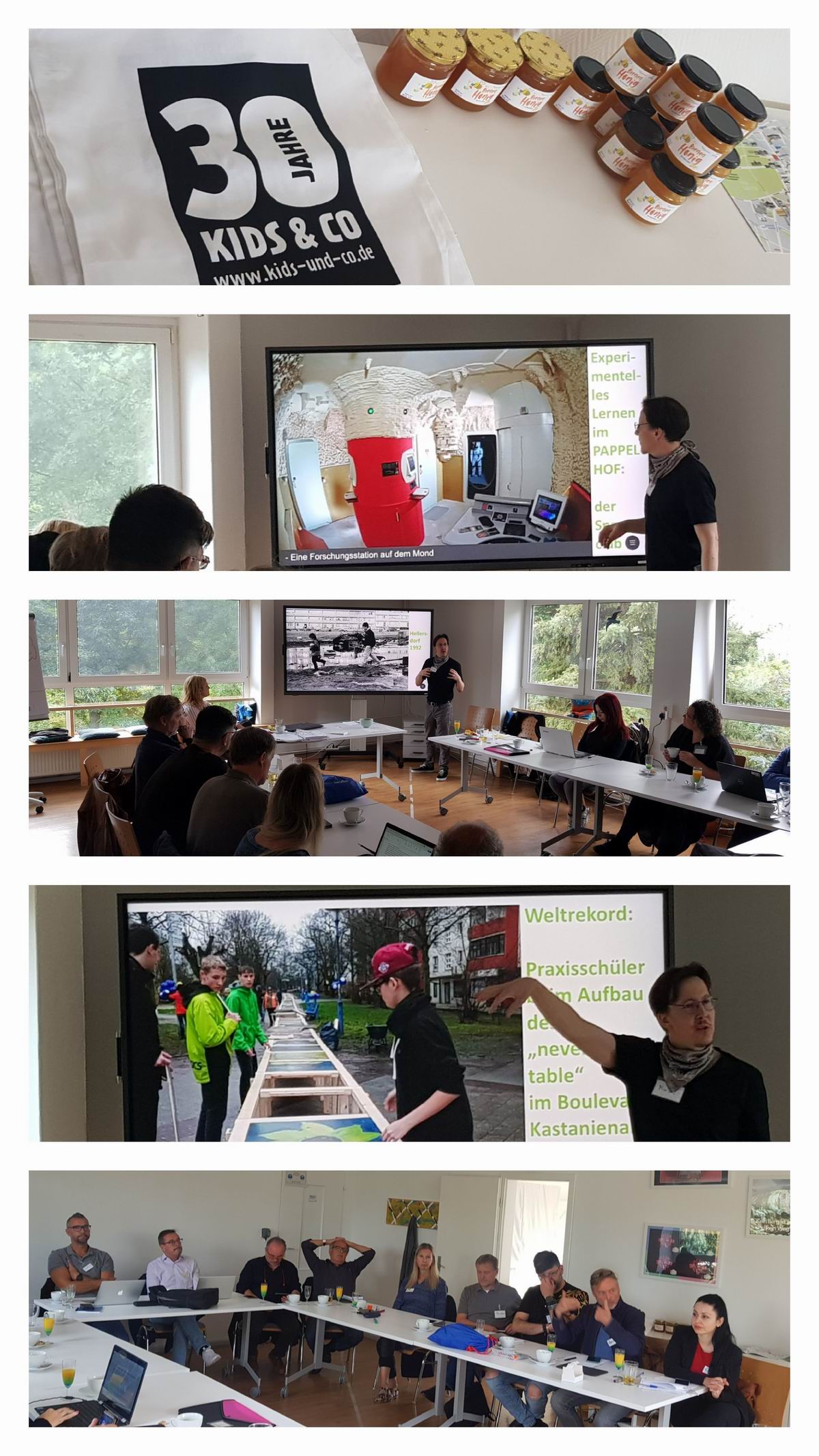
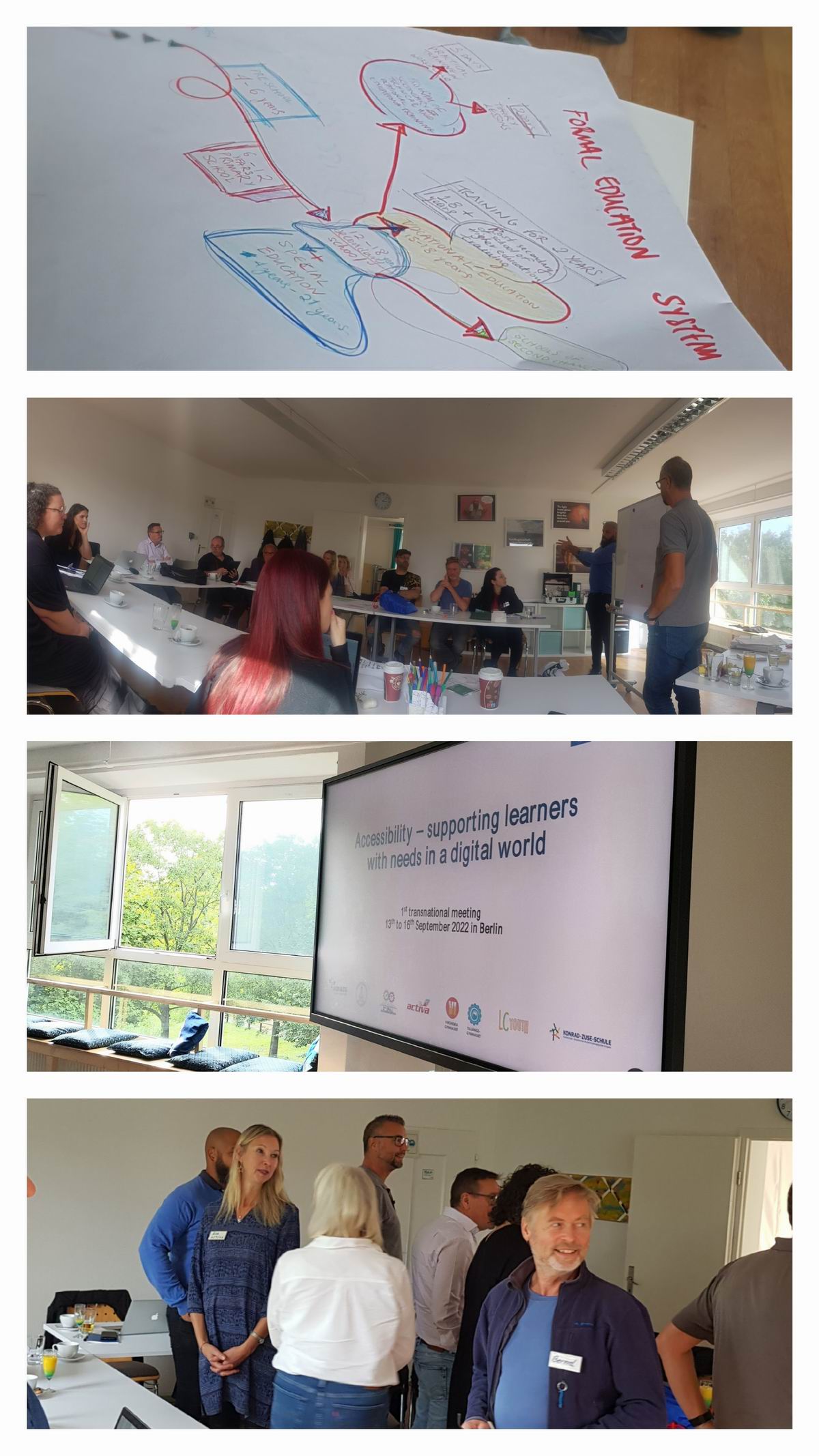
Meeting in Berlin
The first transnational meeting took place in Berlin from 12 to 16 September 2022. In addition to getting to know each other personally, the main focus was on the countries’ education systems. How do the education systems in Sweden, Cyprus and Greece work and what is different from the German one? The results will be summarized in our project guide, which we are going to create together.
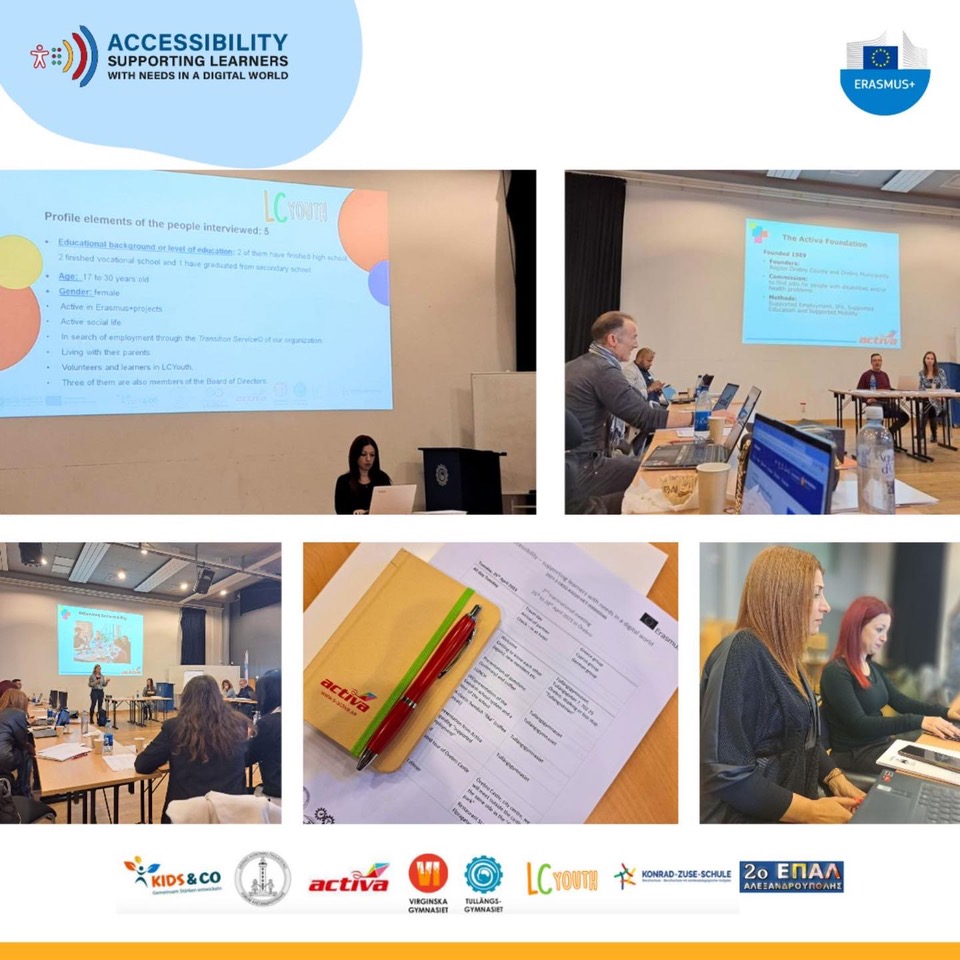
2nd Transnational meeting with Erasmus programme partners in Orebro-Sweden 25-27 April 2023
Working hard to develop together a project manual and a teacher’s guide in order to integrate young people with disabilities into the labor market.
3rd Translational meeting with Erasmus programme partners in Alexandroupolis-Greece 26-27 September 2023.
Sharing the respective best practice examples from each partner countries for the integration of young people into the labor market.

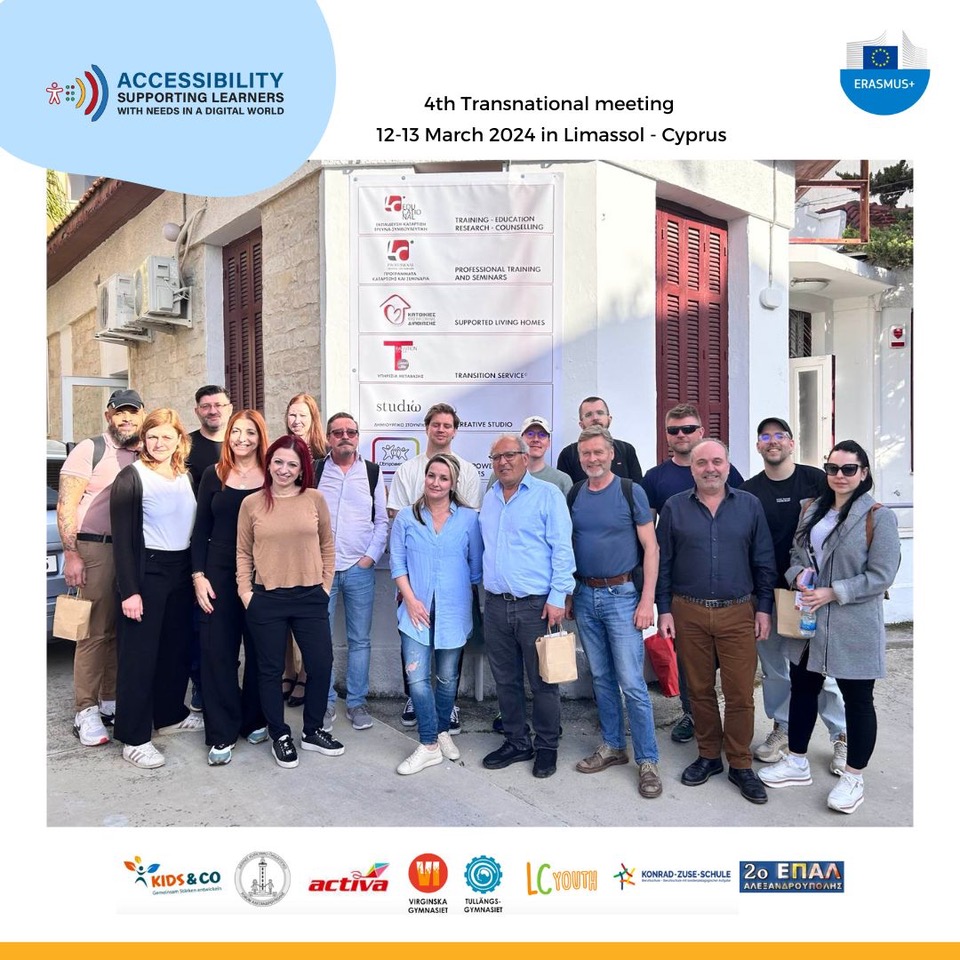
4th Translational meeting with Erasmus programme partners in Limassol- Cyprus 12-13 March 2024.
Our goal is to develop methods, a project manual and a teacher’s manual to integrate young people with educational support needs in the labor market.